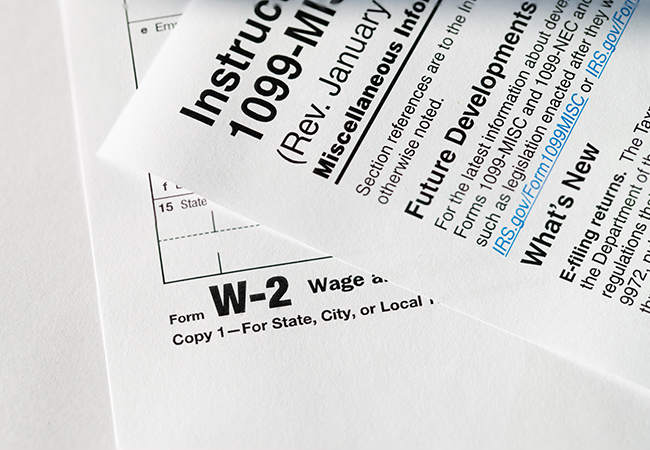
Picture this: It’s January, and your accountant calls asking about your 1099 forms. You stare blankly at your phone, wondering if you’ve missed something critical. If you’ve ever hired a freelancer, worked with an independent contractor, or received income outside traditional employment, understanding what is a 1099 form isn’t just helpful—it’s essential for staying compliant with federal tax requirements and avoiding costly penalties.
For business owners and HR professionals navigating the complex landscape of worker classification and tax reporting, the 1099 form represents a fundamental piece of your tax compliance documentation puzzle. Whether you’re issuing payments to contractors or receiving income from various sources, this IRS form 1099 plays a crucial role in maintaining accurate financial records and fulfilling your tax obligations.
In this comprehensive guide, we’ll demystify the 1099 tax form, explore its various types, explain when you need one, and provide actionable insights to help you manage your contractor tax paperwork with confidence.
Understanding What Is a 1099 Form: The Basics Explained
A 1099 form is a federal tax form used to report various types of income other than wages, salaries, and tips. While traditional employees receive a W-2 form from their employers, individuals who earn income through non-traditional employment relationships—such as freelancers, independent contractors, and self-employed professionals—receive 1099 forms instead.
Think of the 1099 as an income statement form that creates a paper trail between the payer and the recipient. When you pay someone $600 or more for services during a calendar year, you’re generally required to issue them a 1099. This tax reporting document serves multiple purposes:
- Reporting non-employee compensation to the IRS
- Helping recipients accurately report their self-employment income
- Creating transparency in business-to-contractor financial relationships
- Enabling proper income verification documentation for tax purposes
- Supporting accurate quarterly tax payments for self-employed individuals
The IRS uses information from 1099 forms to match income reported by taxpayers against what payers have reported. This matching process helps identify discrepancies and ensures everyone pays their fair share of taxes.
The History and Evolution of 1099 Reporting
The 1099 form has evolved significantly since its inception. Originally designed as a simple miscellaneous income form, it has expanded into numerous variations to accommodate the increasingly complex ways people earn money. Today, there are over 20 different types of 1099 forms, each designed for specific income types and reporting scenarios.
One of the most significant recent changes came in 2020 when the IRS reintroduced the 1099-NEC form (Non-Employee Compensation) after a nearly 40-year hiatus. This change separated contractor payments from the traditional 1099-MISC form, streamlining the reporting process and reducing confusion for businesses.
Types of 1099 Forms Every Business Owner Should Know
Not all 1099 forms are created equal. Understanding the different types helps ensure you’re using the correct independent contractor form for each situation. Here are the most common variations you’ll encounter:
1099-NEC: The Independent Contractor Form
The 1099-NEC form is specifically designed for reporting non-employee compensation. If you’ve paid an independent contractor, freelancer, or consultant $600 or more during the tax year, this is likely the form you’ll need. The 1099-NEC has become the primary contractor payment form for businesses working with external talent.
Key characteristics of the 1099-NEC include:
- Reports payments of $600 or more to non-employees
- Due date: January 31st (to both recipient and IRS)
- Covers services performed by individuals not classified as employees
- Includes payments for professional services, consulting fees, and contractor labor
1099-MISC: The Miscellaneous Income Form
The 1099-MISC form handles various types of miscellaneous income that don’t fall under the NEC category. This freelancer tax document covers items such as:
- Rent payments of $600 or more
- Prizes and awards
- Medical and healthcare payments
- Crop insurance proceeds
- Payments to attorneys
- Fishing boat proceeds
Other Important 1099 Variations
Beyond the NEC and MISC forms, several other 1099 types may impact your business:
- 1099-INT: Reports interest income of $10 or more
- 1099-DIV: Reports dividend income and capital gain distributions
- 1099-K: A third-party income form for payment card and network transactions
- 1099-R: Reports distributions from retirement accounts
- 1099-G: Reports government payments, including unemployment compensation
- 1099-B: Reports proceeds from broker transactions
When Do You Need to Issue a 1099 Form?
Knowing when to issue a 1099 is crucial for maintaining proper tax compliance documentation. The rules can seem complex, but breaking them down into clear categories helps simplify the process.
The $600 Threshold Rule
The general rule for issuing a 1099-NEC or 1099-MISC is the $600 threshold. If you’ve paid a non-employee $600 or more during the calendar year for services, you must issue the appropriate annual tax statement. This includes:
- Freelance writers and designers
- Independent consultants
- Contract workers and laborers
- Professional service providers (accountants, lawyers, etc.)
- Maintenance and repair contractors
According to IRS statistics, over 80 million 1099 forms are filed annually, highlighting the widespread use of this business payment form in today’s gig economy.
Entity Type Considerations
Not all payments require 1099 reporting. Generally, you don’t need to issue a 1099 when paying:
- Corporations (C-corps and S-corps, with some exceptions)
- Payments made via credit card or third-party processors (these are reported on 1099-K)
- Employees (they receive W-2 forms instead)
- Payments for merchandise or inventory
However, there are exceptions. Attorney fees must be reported regardless of the law firm’s corporate status, making legal payments a unique category in the contractor earnings report landscape.
The W-9 Form Connection
Before issuing any 1099, you need accurate taxpayer information. This is where the W-9 form becomes essential. Collecting W-9 forms from all contractors before making payments ensures you have the correct:
- Legal name or business name
- Tax identification number (TIN or SSN)
- Entity type classification
- Address for tax preparation documents
Best practice dictates collecting W-9s before the first payment, not when you’re scrambling in January to complete your freelancer earnings statements.
What Is a 1099 Form’s Impact on Contractor Tax Obligations?
Understanding what is a 1099 form from the recipient’s perspective is equally important, especially if you’re managing HR functions and need to explain tax implications to your contractors.
Self-Employment Tax Responsibilities
When someone receives a 1099 instead of a W-2, they’re responsible for handling their own self-employment tax form obligations. This includes:
- Self-employment tax: Currently 15.3% covering Social Security (12.4%) and Medicare (2.9%)
- Federal income tax: Based on the individual’s tax bracket
- State income tax: Varies by location
- Quarterly estimated tax payments: Due April 15, June 15, September 15, and January 15
Unlike traditional employees who have taxes withheld from each paycheck, independent contractors must manage their contractor tax obligations independently through quarterly tax payments.
Business Expense Deduction Opportunities
One advantage of receiving 1099 income is the ability to claim business expense deductions. Self-employed individuals can typically deduct:
- Home office expenses
- Equipment and supplies
- Professional development and training
- Health insurance premiums
- Vehicle expenses for business use
- Marketing and advertising costs
These business expense deduction opportunities can significantly reduce the tax liability form calculations for freelancers and contractors, making accurate record-keeping essential.
Deadlines and Filing Requirements for 1099 Forms
Missing 1099 deadlines can result in substantial penalties. Here’s what you need to know about timing your independent worker documentation:
Key Dates to Remember
| Form Type | Due to Recipient | Due to IRS (Paper) | Due to IRS (Electronic) |
|---|---|---|---|
| 1099-NEC | January 31 | January 31 | January 31 |
| 1099-MISC | January 31 | February 28 | March 31 |
Note that the 1099-NEC has the strictest deadline, with all copies due by January 31—no extensions available. This tight timeline makes contractor income tracking throughout the year essential.
Penalties for Late or Incorrect Filing
The IRS takes 1099 compliance seriously. Penalties for failing to file correct information returns include:
- $60 per form if filed within 30 days of the deadline
- $120 per form if filed more than 30 days late but before August 1
- $310 per form if filed after August 1 or not filed at all
- $630 per form for intentional disregard of filing requirements
These penalties can add up quickly, especially for businesses with numerous contractors. A company issuing 50 late 1099 forms could face penalties exceeding $15,000.
Best Practices for 1099 Management and Freelance Income Reporting
Effective management of your 1099 process saves time, reduces errors, and ensures compliance. Here are proven strategies for handling your tax preparation documents:
Implement a Year-Round System
Don’t wait until December to think about 1099s. Implement these practices throughout the year:
- January: File previous year’s forms and update contractor database
- Quarterly: Review contractor payments and verify W-9 information
- October: Begin year-end preparation and identify missing documentation
- November: Request updated W-9s for any address or entity changes
- December: Finalize contractor earnings reports and prepare forms
Leverage Technology for Contractor Income Tracking
Modern accounting software and specialized platforms can automate much of the 1099 process:
- Automatic payment tracking and threshold monitoring
- Digital W-9 collection and storage
- Electronic filing capabilities
- Recipient copy distribution via email or portal
- Integration with payroll and accounting systems
Studies show that businesses using automated 1099 solutions reduce filing errors by up to 80% and save an average of 5-10 hours per filing season.
Maintain Accurate Independent Worker Documentation
Good documentation protects your business. Keep records of:
- All W-9 forms received
- Payment records and invoices
- Contracts and agreements
- Correspondence regarding tax classifications
- Copies of all filed 1099 forms
The IRS recommends retaining these income verification documents for at least four years from the date the tax was due or paid, whichever is later.
Common 1099 Mistakes to Avoid
Even experienced business owners make errors with their self-employment tax form processing. Watch out for these common pitfalls:
Misclassifying Workers
One of the most significant risks involves incorrectly classifying workers as independent contractors when they should be employees. The IRS examines factors including:
- Behavioral control (how work is performed)
- Financial control (business aspects of the worker’s job)
- Type of relationship (contracts, benefits, permanency)
Misclassification can result in back taxes, penalties, interest, and even legal action. When in doubt, consult with a tax professional or use IRS Form SS-8 for a determination.
Filing the Wrong Form Type
Using a 1099-MISC when you should use a 1099-NEC (or vice versa) creates confusion and potential compliance issues. Remember:
- 1099-NEC: For contractor payments and non-employee compensation
- 1099-MISC: For rent, royalties, and other miscellaneous income
Incorrect or Missing TINs
Tax identification number errors are among the most common 1099 mistakes. Implement TIN verification processes to catch errors before filing.
The Workers’ Compensation Connection
For businesses in the workers’ compensation industry, understanding 1099 requirements has additional implications. Many companies use independent contractors for various services, from claims adjusters to medical reviewers. Proper 1099 compliance ensures:
- Accurate vendor payment tracking
- Compliance with insurance regulations requiring contractor documentation
- Clear audit trails for regulatory examinations
- Proper tax liability form management across multiple jurisdictions
Additionally, businesses must understand how contractor versus employee classification impacts workers’ compensation coverage requirements—an area where misclassification can create significant liability exposure.
Conclusion: Mastering Your 1099 Responsibilities
Understanding what is a 1099 form and when you need one is fundamental to running a compliant, well-organized business. From the basic 1099 tax form requirements to the nuances of different form types like the 1099-NEC form and 1099-MISC form, mastering these tax reporting documents protects your business from penalties and supports your contractors in meeting their tax obligations.
Key takeaways to remember:
- Issue 1099-NEC forms for contractor payments of $600 or more
- Collect W-9 forms before making first payments
- Meet the January 31 deadline for 1099-NEC forms
- Implement year-round tracking systems for contractor income
- Keep thorough documentation for at least four years
- When uncertain about worker classification, seek professional guidance
The landscape of freelance income reporting and contractor tax paperwork continues to evolve, making it essential to stay informed about IRS requirements and best practices.
Clear Next Step:
Get a quote now and explore pay-as-you-go workers’ comp options in minutes