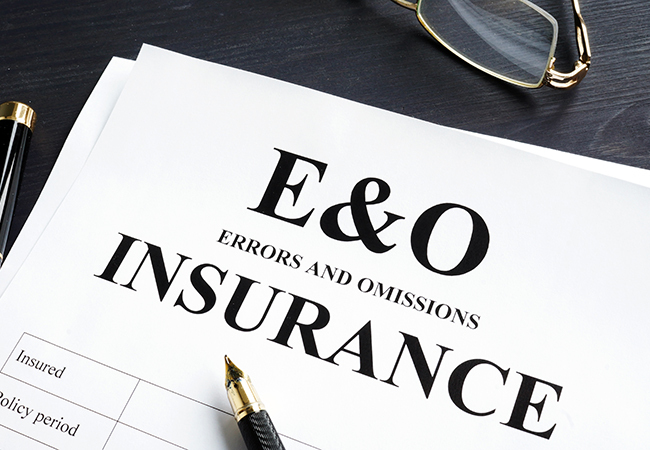
Imagine this scenario: A client claims your professional advice cost them $500,000 in lost revenue. Whether or not you made a mistake, you’re now facing a lawsuit that could bankrupt your business. This is the harsh reality that thousands of professionals face every year—and it’s precisely why understanding an errors and omissions insurance policy isn’t just important, it’s essential for your business survival.
According to recent industry data, the average cost of defending a professional liability claim exceeds $50,000, even when the professional is ultimately found not at fault. For small and medium-sized businesses, an unexpected lawsuit can mean the difference between thriving and closing doors permanently. That’s why business owners and HR professionals must understand how this critical coverage works and why it should be a cornerstone of their risk management strategy.
In this comprehensive guide, we’ll explore everything you need to know about errors and omissions insurance—from basic definitions and coverage benefits to navigating the claims process and finding the right insurance providers for your specific needs.
Understanding the Errors and Omissions Insurance Policy Fundamentals
An errors and omissions insurance policy, commonly known as E&O insurance, is a specialized form of professional liability insurance designed to protect businesses and individuals who provide professional services or advice. This coverage shields you from financial losses arising from claims of inadequate work, professional mistakes, or failure to deliver promised services.
Unlike general liability insurance, which covers physical injuries and property damage, E&O insurance specifically addresses claims related to your professional performance. This distinction is crucial for anyone offering expertise-based services, from consultants and accountants to real estate agents and technology professionals.
How E&O Insurance Differs from Other Business Insurance
Many business owners confuse errors and omissions coverage with other types of business insurance. Here’s how they differ:
- General Liability Insurance: Covers bodily injury, property damage, and advertising injury—but not professional errors
- Malpractice Insurance: A specific type of professional liability typically used in healthcare settings
- Professional Indemnity Coverage: Often used interchangeably with E&O insurance in international markets
- Directors and Officers (D&O) Insurance: Protects corporate leadership from management decisions, not professional services
Understanding these distinctions helps ensure you have comprehensive liability protection without dangerous gaps in your coverage.
What Does an Errors and Omissions Insurance Policy Cover?
The coverage benefits of an E&O policy are extensive and designed to protect professionals from the financial consequences of their work. Here’s what a typical policy includes:
Legal Defense Costs
One of the most valuable aspects of E&O insurance is its coverage for legal defense costs. When a client sues you, these expenses can quickly escalate into tens or even hundreds of thousands of dollars. Your policy typically covers:
- Attorney fees and legal representation
- Court costs and filing fees
- Expert witness fees
- Investigation costs
- Administrative expenses related to your defense
Importantly, most E&O policies provide legal defense even for frivolous or unfounded claims, giving you negligence protection regardless of actual fault.
Settlement Coverage and Judgments
If your case doesn’t go to trial or you lose in court, your settlement coverage kicks in. This includes:
- Negotiated settlement amounts
- Court-ordered judgments against you
- Damages awarded to plaintiffs
- Mediation and arbitration costs
This error protection ensures that a single claim doesn’t devastate your financial standing or force you out of business.
Types of Claims Covered
E&O insurance provides omission coverage for various types of professional failures, including:
- Errors: Mistakes made while performing professional duties
- Omissions: Failure to perform expected services or provide necessary information
- Misrepresentation: Unintentional misleading statements about services
- Breach of duty: Failure to meet professional standards
- Negligence: Careless actions that result in client harm
Understanding Policy Exclusions and Limitations
While E&O insurance offers robust protection, understanding policy exclusions is equally important. Most policies do not cover:
- Intentional wrongdoing: Deliberate fraud, criminal acts, or intentional harm
- Bodily injury and property damage: These fall under general liability insurance
- Employment practices claims: Discrimination, harassment, and wrongful termination
- Prior known claims: Issues you were aware of before purchasing coverage
- Contractual liability: Obligations you explicitly assumed in contracts
- Patent and trademark infringement: Intellectual property disputes
Understanding these exclusions helps you identify where additional coverage might be necessary and prevents unpleasant surprises during the claims process.
Coverage Limits and Deductibles Explained
When selecting an errors and omissions insurance policy, two critical factors determine your protection level and out-of-pocket expenses: coverage limits and deductibles.
How Coverage Limits Work
E&O policies typically have two types of limits:
- Per-claim limit: The maximum amount the insurer will pay for a single claim
- Aggregate limit: The total amount available for all claims during the policy period
Common limit structures include $1 million per claim/$1 million aggregate, $1 million/$2 million, or higher for larger organizations. Your specific needs depend on factors like:
- The size and scope of your professional services
- Your industry’s typical claim amounts
- Client contractual requirements
- Your company’s risk tolerance
Understanding Deductibles
Your deductible is the amount you pay out-of-pocket before insurance coverage begins. Higher deductibles generally mean lower premium costs, but they also increase your financial responsibility when claims arise.
Consider your cash flow and financial reserves when selecting a deductible. A $5,000 deductible might save money on premiums, but can you comfortably pay that amount if a claim occurs?
Who Needs Errors and Omissions Insurance Coverage?
While virtually any professional service provider can benefit from E&O insurance, certain industries face higher professional risks and often have coverage requirements mandated by clients, contracts, or regulatory bodies.
Industries with High E&O Risk
- Technology and IT services: Software developers, IT consultants, and tech support providers
- Financial services: Accountants, financial advisors, and insurance professionals
- Real estate: Agents, brokers, and property managers
- Legal professionals: Attorneys and paralegals (often called malpractice insurance)
- Healthcare providers: Doctors, nurses, and therapists
- Consultants: Management, marketing, and business consultants
- Architects and engineers: Design and construction professionals
- Media and advertising: Marketing agencies and content creators
Why Small Businesses Need E&O Insurance
Many small business owners mistakenly believe E&O insurance is only for large corporations. In reality, smaller businesses often face greater vulnerability to client lawsuits because:
- They lack the financial reserves to absorb legal costs
- A single claim can represent a significant percentage of annual revenue
- Reputation damage can be devastating in smaller markets
- Clients may perceive smaller firms as easier targets for litigation
Navigating the Claims Process for E&O Insurance
Understanding how to handle liability claims is crucial for maximizing your policy’s protection. Here’s a step-by-step guide to the typical claims process:
Step 1: Immediate Notification
Contact your insurance carriers immediately when you become aware of a potential claim or circumstance that might lead to one. Most policies require prompt notification, and delays can jeopardize your coverage.
Step 2: Document Everything
Gather and preserve all relevant documentation, including:
- Contracts and agreements with the client
- Email correspondence and written communications
- Work products and deliverables
- Meeting notes and project timelines
- Any evidence supporting your position
Step 3: Cooperate with Your Insurer
Your insurance company will assign a claims adjuster and, if necessary, legal counsel. Cooperate fully with their investigation and follow their guidance regarding communications with the claimant.
Step 4: Resolution
Claims can be resolved through various means:
- Dismissal if the claim lacks merit
- Negotiated settlement
- Mediation or arbitration
- Trial verdict
Throughout this process, your error protection coverage handles associated costs up to your policy limits.
Factors Affecting Premium Costs for E&O Insurance
When seeking insurance quotes, understanding what drives premium costs helps you make informed decisions and potentially reduce expenses:
Industry and Risk Profile
Some professions inherently carry higher risks. A neurosurgeon will pay significantly more for malpractice insurance than a marketing consultant, reflecting the potential severity of claims in each field.
Coverage Limits and Deductibles
Higher coverage limits mean higher premiums, while higher deductibles typically reduce premium costs. Finding the right balance requires evaluating your specific risk exposure and financial situation.
Claims History
Your past claims experience significantly impacts pricing. A clean claims history can lead to substantial premium savings, while previous claims may increase costs or even affect insurability.
Business Size and Revenue
Larger businesses with higher revenues typically pay more for coverage, as they often have greater exposure to potential claims.
Risk Management Practices
Strong risk management protocols can reduce premiums. Insurance providers may offer discounts for:
- Formal quality control procedures
- Continuing education and professional development
- Written contracts and engagement letters
- Client communication protocols
Working with Insurance Brokers to Find the Right Policy
Navigating the E&O insurance market can be complex, making insurance brokers valuable partners in finding appropriate coverage. Here’s how to work effectively with brokers:
Benefits of Using a Broker
- Access to multiple insurance providers and competitive quotes
- Expert guidance on coverage needs and policy terms
- Assistance with claims advocacy
- Ongoing policy management and policy renewal support
Questions to Ask When Shopping for Coverage
When obtaining insurance quotes, ask prospective providers:
- What specific professional services are covered under this policy?
- Are defense costs included within limits or in addition to limits?
- What are the policy exclusions?
- Is the policy on a claims-made or occurrence basis?
- What is the extended reporting period (tail coverage) option?
- How are coverage limits structured?
Best Practices for Risk Management and Loss Prevention
While an errors and omissions insurance policy provides crucial protection, proactive risk management can help prevent claims from arising in the first place:
Documentation and Communication
- Use written contracts for all engagements
- Document client communications and decisions
- Maintain clear records of work performed
- Set realistic expectations with clients
Quality Control Measures
- Implement peer review processes
- Use checklists for routine procedures
- Conduct regular quality audits
- Address errors promptly and professionally
Professional Development
- Stay current with industry professional standards
- Pursue continuing education opportunities
- Maintain relevant certifications and licenses
- Participate in professional associations
Policy Renewal and Ongoing Coverage Management
E&O insurance requires ongoing attention to ensure continuous protection. Here’s what to consider during policy renewal:
Annual Review Checklist
- Assess any changes in services offered or business operations
- Review coverage limits against current exposure
- Evaluate claims experience and its impact on premiums
- Consider market changes and new insurance providers
- Update policy with accurate revenue and employee figures
Maintaining Continuous Coverage
E&O policies are typically written on a “claims-made” basis, meaning coverage only applies to claims made during the policy period for incidents that occurred after the retroactive date. Any gaps in coverage can leave you exposed to client lawsuits for past work, making continuous coverage essential.
Conclusion: Protecting Your Professional Future
An errors and omissions insurance policy is far more than a business expense—it’s an investment in your professional security and peace of mind. In today’s litigious business environment, even the most careful professionals face the risk of client lawsuits arising from professional mistakes, misunderstandings, or simply unrealistic client expectations.
By understanding how professional liability insurance works, knowing what’s covered and excluded, and implementing strong risk management practices, you can protect both your business and personal assets from potentially devastating liability claims.
Don’t wait until you receive a demand letter or lawsuit to think about your errors and omissions insurance policy. The time to secure proper liability protection is before you need it.
Ready to protect your professional practice? Contact qualified insurance brokers today to obtain competitive insurance quotes tailored to your specific industry and needs. Review your current coverage, assess your professional risks, and ensure you have the protection necessary to face whatever challenges come your way. Your business—and your peace of mind—depend on it.
Clear Next Step: