Imagine this scenario: A client visits your office for a routine meeting, slips on a freshly mopped floor, and fractures their wrist. Or picture a situation where your marketing team accidentally uses a copyrighted image in a campaign, leading to an infringement lawsuit. These situations happen more often than you might think, and without proper general liability coverage, your business could face devastating financial consequences that threaten its very survival.
According to the Insurance Information Institute, approximately 40% of small businesses will experience a property or general liability claim within the next 10 years. The average cost of these claims? A staggering $30,000 to $50,000—enough to bankrupt many small and medium-sized enterprises. This is why understanding business insurance isn’t just important; it’s essential for every business owner and HR professional who wants to protect their organization’s future.
In this comprehensive guide, we’ll explore everything you need to know about commercial liability protection, help you determine whether your business needs this crucial coverage, and provide actionable insights to help you make informed decisions about your liability protection plan.
What Is General Liability Coverage and Why Does It Matter?
At its core, general liability coverage is a type of business insurance that protects your company from financial losses resulting from claims of bodily injury, property damage, personal injury, and advertising injury caused by your business operations, products, or services. This third-party coverage is designed to protect you from claims made by people outside your organization—customers, vendors, visitors, and other third parties.
A commercial general liability policy typically covers:
- Bodily Injury: Medical expenses, legal fees, and settlements if someone is physically injured on your premises or due to your business operations
- Property Damage: Costs associated with damage your business causes to someone else’s property
- Personal Injury: Claims related to defamation, slander, libel, or invasion of privacy
- Advertising Injury: Legal protection against claims of copyright infringement or misleading advertising
- Medical Payments: Immediate medical expenses for injured parties, regardless of fault
Understanding these liability coverage types is crucial for effective business risk management. Without adequate protection, a single lawsuit could deplete your business savings, force you to sell assets, or even result in bankruptcy.
How General Liability Differs from Professional Indemnity
It’s important to distinguish between general liability and professional indemnity insurance. While general liability covers physical injuries and property damage, professional indemnity (also known as errors and omissions insurance) protects against claims arising from professional mistakes, negligence, or failure to deliver promised services.
For example, if an accountant provides incorrect tax advice that results in financial loss for a client, professional indemnity would cover that claim. However, if that same client trips over a cord in the accountant’s office and breaks their ankle, that would fall under public liability insurance or general liability coverage.
Many businesses need both types of coverage as part of their comprehensive commercial insurance policy to ensure complete protection.
Signs Your Business Needs General Liability Coverage
Determining whether your business requires general liability coverage isn’t always straightforward. However, certain factors strongly indicate that this protection should be a priority in your business protection coverage strategy.
You Have a Physical Business Location
If customers, clients, vendors, or delivery personnel visit your business premises, you’re exposed to slip-and-fall risks and other potential injuries. Whether you own a retail store, operate out of an office building, or run a warehouse, commercial risk coverage is essential to protect against premises liability claims.
Your Employees Work at Client Sites
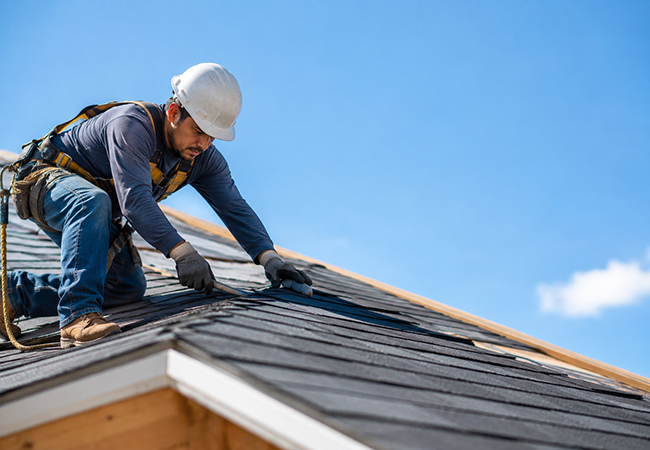
Businesses that send employees to client locations—such as contractors, consultants, cleaning services, or IT support teams—face unique liability risks. Any damage caused to client property or injuries that occur during service delivery could result in costly claims. A solid general liability policy provides protection in these scenarios.
You Sell Physical Products
Product liability is a significant concern for businesses that manufacture, distribute, or sell physical goods. If a product you sell causes injury or property damage, you could be held responsible. The liability insurance benefits of a comprehensive policy include protection against these product-related claims.
Your Business Advertises or Markets Services
In today’s digital age, advertising injury claims are increasingly common. From accidentally using copyrighted material to making claims that a competitor considers defamatory, marketing activities carry inherent risks. Commercial coverage options that include advertising injury protection are vital for businesses engaged in active marketing.
Contracts or Leases Require It
Many commercial landlords, clients, and business partners require proof of general liability insurance before signing contracts or lease agreements. Understanding business insurance requirements in your industry and market is crucial for maintaining these important relationships and securing new opportunities.
Understanding General Liability Costs and Premiums
One of the most common questions business owners ask is about the general liability premium they can expect to pay. The truth is that liability insurance cost varies significantly based on several factors specific to your business.
Factors That Influence Your Premium
When a general liability carrier evaluates your business for coverage, they consider numerous factors:
- Industry and Business Type: Higher-risk industries like construction or manufacturing typically face higher premiums than lower-risk businesses like consulting firms
- Business Size and Revenue: Larger businesses with higher revenues generally pay more because they have greater exposure
- Location: Geographic factors, including state regulations and local claim trends, affect pricing
- Claims History: Past general liability claims can significantly impact future premium costs
- Coverage Limits: Higher liability coverage limits naturally result in higher premiums
- Deductible Amount: Choosing a higher general liability deductible can lower your premium but increases your out-of-pocket costs when claims occur
Average Costs by Business Type
According to industry data, small businesses typically pay between $300 and $1,500 annually for general liability coverage with $1 million per-occurrence limits. However, these figures vary widely:
- Home-based businesses: $300-$500 per year
- Professional services: $400-$800 per year
- Retail stores: $500-$1,200 per year
- Restaurants: $2,000-$5,000 per year
- Contractors: $1,500-$4,000 per year
To get accurate pricing for your specific situation, obtaining business liability quotes from multiple providers is essential. Working with a qualified business liability broker or commercial insurance agent can help you compare options and find the best value.
How to Choose the Right General Liability Coverage for Your Business
Selecting the appropriate general liability coverage requires careful consideration of your business’s unique risks and needs. Here’s a step-by-step approach to making the right choice.
Step 1: Assess Your Risk Exposure
Begin by conducting a thorough risk assessment of your business operations. Consider:
- How often do third parties visit your premises?
- Do your operations involve activities that could cause property damage?
- What products or services do you offer, and what risks do they present?
- What are the most likely scenarios that could result in liability claims?
This assessment will help you understand your commercial protection plan requirements and determine appropriate coverage levels.
Step 2: Determine Appropriate Coverage Limits
Liability coverage limits are typically expressed as two numbers, such as $1 million/$2 million. The first number represents the maximum the policy will pay for a single claim (per-occurrence limit), while the second represents the total maximum payout during the policy period (aggregate limit).
Common limit structures include:
- $500,000/$1 million (suitable for very small, low-risk businesses)
- $1 million/$2 million (standard for most small to medium businesses)
- $2 million/$4 million (recommended for higher-risk industries or larger operations)
Consider your industry norms, contractual requirements, and potential worst-case scenarios when selecting limits. Under-insuring can leave you exposed, while over-insuring wastes money on unnecessary coverage.
Step 3: Choose the Right Business Insurance Provider
Not all liability insurance companies are created equal. When evaluating a potential business insurance provider, consider:
- Financial Strength: Check ratings from agencies like A.M. Best to ensure the company can pay claims
- Industry Experience: Look for carriers with expertise in your specific industry
- Claims Process: Research how the company handles claims and their reputation for fair, timely settlements
- Customer Service: Evaluate responsiveness and availability of support
- Policy Features: Compare coverage details, exclusions, and additional benefits
Step 4: Consider Bundling Options
Many businesses benefit from bundling general liability with other coverages into a Business Owner’s Policy (BOP) or commercial insurance policy. These business coverage solutions often include:
- General liability coverage
- Commercial property insurance
- Business interruption insurance
- Equipment breakdown coverage
Bundling typically results in cost savings compared to purchasing individual policies and provides more comprehensive commercial liability benefits.
Maximizing Your Commercial Liability Benefits
Having general liability coverage is only valuable if you understand how to use it effectively. Here are strategies to maximize the benefits of your policy.
Understand Your Policy Thoroughly
Take time to read and understand your entire policy, including:
- Covered perils: What specific situations and claims are covered?
- Exclusions: What is explicitly not covered?
- Conditions: What requirements must you meet for coverage to apply?
- Definitions: How does the policy define key terms?
Knowledge of your policy helps you make informed decisions about additional coverage needs and ensures you respond appropriately when incidents occur.
Implement Risk Management Practices
Proactive business risk management can reduce your claims frequency, potentially lowering your premiums over time. Consider:
- Regular safety inspections and maintenance
- Employee safety training programs
- Clear documentation of policies and procedures
- Incident reporting and investigation protocols
- Quality control measures for products and services
Report Incidents Promptly
When incidents occur that might lead to claims, report them to your insurance company immediately. Prompt reporting:
- Ensures compliance with policy requirements
- Allows for timely investigation while evidence is fresh
- Enables early intervention that may reduce claim costs
- Protects your coverage rights
Review Your Coverage Annually
Your business evolves, and your insurance should evolve with it. Annual reviews with your commercial insurance agent or broker ensure your coverage remains appropriate as your operations, revenue, and risk profile change.
Common General Liability Claims and How to Prevent Them
Understanding common general liability claims can help you implement preventive measures and reduce your risk exposure.
Slip-and-Fall Accidents
These are among the most frequent liability claims. Prevention strategies include:
- Regular floor inspections and maintenance
- Immediate cleanup of spills and hazards
- Adequate lighting in all areas
- Warning signs for wet floors or uneven surfaces
- Non-slip mats in high-risk areas
Property Damage Claims
When your business operations damage third-party property, claims can be significant. Reduce risk by:
- Training employees on proper handling procedures
- Using appropriate equipment and protective measures
- Documenting pre-existing conditions before work begins
- Implementing quality control checks
Advertising Injury Claims
Protect against advertising-related claims by:
- Verifying rights to use all content in marketing materials
- Having legal review of advertising claims
- Avoiding comparative advertising that could be seen as defamatory
- Maintaining records of content sources and permissions
Taking Action: Secure Your General Liability Coverage Today
After exploring the critical importance of general liability coverage, the question isn’t really whether you need it—it’s how quickly you can get proper protection in place. Every day without adequate commercial liability protection is a day your business operates with unnecessary risk.
The process of securing the right general liability policy doesn’t have to be complicated. Here’s your action plan:
- Assess your current situation: Review any existing coverage and identify gaps
- Gather necessary information: Prepare details about your business operations, revenue, and risk factors
- Request multiple quotes: Contact several insurance providers or work with a broker to compare commercial coverage options
- Review and compare: Look beyond price to evaluate coverage terms, limits, and carrier reputation
- Make your decision: Choose the policy that best balances comprehensive protection with affordability
Remember, the liability insurance benefits extend far beyond just financial protection. With proper coverage in place, you gain peace of mind, enhanced credibility with clients and partners, and the confidence to grow your business without fear of catastrophic liability events.
Ready to protect your business? Contact a qualified business liability broker or liability insurance company today to discuss your specific needs and obtain personalized business liability quotes. Don’t wait for a claim to discover you’re unprotected—take action now to secure the general liability coverage your business deserves.
Your business has worked too hard to build its reputation and assets. Protect them with the right commercial protection plan and face the future with confidence.
Clear Next Step:
Get your general liability quote now and secure coverage options in minutes