Running a small business means wearing multiple hats—and managing payroll shouldn’t consume your entire wardrobe. Every pay period, countless business owners find themselves buried in spreadsheets, tax forms, and compliance regulations when they should be focusing on growth, customer relationships, and strategic planning. The truth is, choosing the right payroll services for small business operations can be the difference between administrative chaos and streamlined success. In fact, according to the National Small Business Association, small business owners spend an average of eight hours per month on payroll administration—that’s nearly 100 hours annually that could be redirected toward building your business.
Whether you’re processing your first paycheck or looking to upgrade from manual calculations, this comprehensive guide will walk you through everything you need to know about selecting payroll solutions that align with your business goals, budget, and growth trajectory.
Understanding Modern Payroll Services for Small Business Needs
The landscape of payroll management has evolved dramatically over the past decade. Gone are the days when business owners had only two options: handle everything in-house with paper checks or hire an expensive accountant. Today’s payroll providers offer a spectrum of solutions ranging from basic payroll software to comprehensive HR services packages that encompass everything from employee benefits administration to workforce management.
What Payroll Services Actually Include
At its core, payroll processing involves calculating employee wages, withholding appropriate taxes, and ensuring workers receive their employee compensation accurately and on time. However, modern payroll companies typically offer much more:
- Wage processing and salary administration for both hourly and salaried employees
- Payroll taxes calculation, withholding, and filing
- Direct deposit setup and management
- Timesheet processing and time tracking integration
- Employee records maintenance and management
- Tax compliance monitoring and reporting
- Year-end W-2 and 1099 preparation
- Workers’ compensation reporting and integration
Understanding these components helps you identify which services are essential for your operation and which might be unnecessary additions that inflate costs without adding value.
In-House vs. Payroll Outsourcing: Making the Right Choice
One of the first decisions you’ll face is whether to manage business payroll internally or opt for payroll outsourcing. Each approach has distinct advantages:
In-house payroll management offers maximum control over your processes and data. With the right payroll software, you can run payroll on your schedule, make last-minute adjustments, and maintain direct oversight of every calculation. This approach works well for businesses with straightforward payroll needs, consistent employee counts, and staff who can dedicate time to payroll administration.
Payroll outsourcing transfers the administrative burden to professionals who specialize in compensation management. This option typically costs more but eliminates the learning curve, reduces error risk, and frees your team to focus on core business activities. According to a study by the American Payroll Association, companies that automate payroll processes reduce processing costs by up to 80%.
Essential Features to Look for in Payroll Services for Small Business
Not all payroll systems are created equal. When evaluating payroll providers, focus on features that address your specific challenges while providing room for growth. Here’s what matters most:
Automated Payroll Calculations and Processing
Automated payroll functionality eliminates manual data entry errors that can lead to costly corrections and employee dissatisfaction. Look for systems that automatically calculate:
- Regular and overtime wages based on your state’s requirements
- Federal, state, and local tax withholdings
- Benefit deductions and contributions
- Garnishments and other court-ordered withholdings
- PTO accruals and balances
The best payroll technology learns your pay structure and applies payroll calculations consistently across every pay period, reducing the time you spend reviewing and correcting entries.
Tax Compliance and Filing Capabilities
Tax compliance represents one of the most complex and high-stakes aspects of payroll. The IRS reports that approximately 40% of small businesses pay an average of $845 annually in payroll penalties due to incorrect filings or late payments. Robust payroll solutions should include:
- Automatic tax rate updates when regulations change
- Timely filing of federal, state, and local payroll tax returns
- Electronic tax payments on your behalf
- Compliance alerts for new requirements
- Year-end tax document preparation and distribution
Payroll compliance features protect your business from penalties while ensuring your employees receive accurate tax documents for their personal filings.
Integration with Business Systems
Your payroll system shouldn’t exist in isolation. Effective small business solutions integrate seamlessly with your existing business services infrastructure:
- Small business accounting software for automatic journal entries
- Time and attendance systems for accurate timesheet processing
- Human resources platforms for streamlined employee management
- Benefits administration systems
- Workers’ compensation carriers for accurate reporting
Integration eliminates duplicate data entry, reduces errors, and creates a unified view of your workforce expenses and obligations.
Comparing Top Payroll Providers: What Sets Them Apart
The payroll services for small business market includes dozens of providers, each with unique strengths. Understanding the categories helps narrow your search:
Full-Service Payroll Companies
These payroll companies handle everything from wage processing to tax filing, often including dedicated support representatives who know your business. They’re ideal for businesses that want hands-off payroll administration and are willing to pay premium prices for comprehensive service. Full-service providers typically charge per employee per pay period, with costs ranging from $4 to $12 per employee plus base fees.
DIY Payroll Software Platforms
Self-service payroll software platforms provide the tools for you to manage payroll independently at lower costs. These payroll systems work well for tech-savvy business owners comfortable with software and willing to invest time learning the platform. Monthly costs typically range from $20 to $100 plus per-employee fees.
Professional Employer Organizations (PEOs)
PEOs offer comprehensive workforce management services that go beyond payroll to include HR services, employee benefits, workers’ compensation, and risk management. This co-employment model works well for businesses seeking enterprise-level benefits and HR support without building an internal HR department. Costs typically range from 2% to 12% of total payroll.
Evaluating Costs and ROI of Payroll Solutions
Understanding the true cost of payroll solutions requires looking beyond monthly fees. Consider these factors when budgeting for payroll services:
Direct Costs
- Base fees: Monthly or per-pay-period charges for platform access
- Per-employee fees: Charges for each active employee processed
- Setup costs: One-time implementation and training fees
- Add-on services: Additional charges for features like direct deposit, benefits administration, or enhanced reporting
Hidden Costs to Watch For
Some payroll providers bury additional charges in their contracts. Ask specifically about:
- Fees for off-cycle payroll runs
- Charges for W-2 and 1099 printing and mailing
- Costs for adding new employees mid-cycle
- Penalties for contract termination
- Fees for check printing if you don’t use direct deposit
Calculating True ROI
The return on investment for business payroll services extends beyond direct cost comparisons. Factor in:
- Time savings: Hours your team reclaims for revenue-generating activities
- Error reduction: Costs avoided from fewer corrections and penalties
- Compliance protection: Potential fines and legal costs prevented
- Employee satisfaction: Retention improvements from accurate, timely pay
A slightly more expensive solution that saves significant time and eliminates errors often delivers better overall value than the cheapest option available.
Implementation Best Practices for Payroll Services for Small Business
Selecting the right provider is only half the battle. Successful implementation ensures you realize the full benefits of your new payroll technology:
Preparing for Transition
Before switching payroll systems, gather and organize:
- Current employee records including tax forms, pay rates, and deduction authorizations
- Year-to-date payroll data for accurate tax calculations
- Direct deposit information for all participating employees
- Benefit enrollment details and deduction amounts
- Historical payroll reports for reference
Timing Your Transition
The best time to switch payroll providers is at the beginning of a quarter or calendar year. This timing simplifies tax reporting and reduces the complexity of splitting year-to-date totals between systems. If a mid-year transition is necessary, ensure your new provider can accurately import prior period data.
Training and Adoption
Invest time in learning your new payroll software thoroughly. Most providers offer training resources, webinars, and support during implementation. Take advantage of these resources to understand the full capabilities of your system and establish efficient workflows from day one.
Common Payroll Challenges and How the Right Service Solves Them
Understanding the problems payroll services solve helps you prioritize features during your selection process:
Multi-State Compliance
If you have employees in multiple states—increasingly common with remote work—payroll compliance becomes exponentially more complex. Each state has unique tax rates, filing requirements, and employment laws. Quality payroll providers automatically apply the correct rules based on employee work locations.
Fluctuating Workforce
Seasonal businesses or those with variable staffing need payroll systems that scale efficiently. Look for providers that don’t penalize you for adding temporary workers and offer streamlined onboarding for new hires.
Complex Compensation Structures
Commission-based pay, multiple pay rates, tips, bonuses, and other variable compensation management scenarios require flexible payroll calculations. Ensure your chosen solution handles your specific pay structures without manual workarounds.
Workers’ Compensation Integration
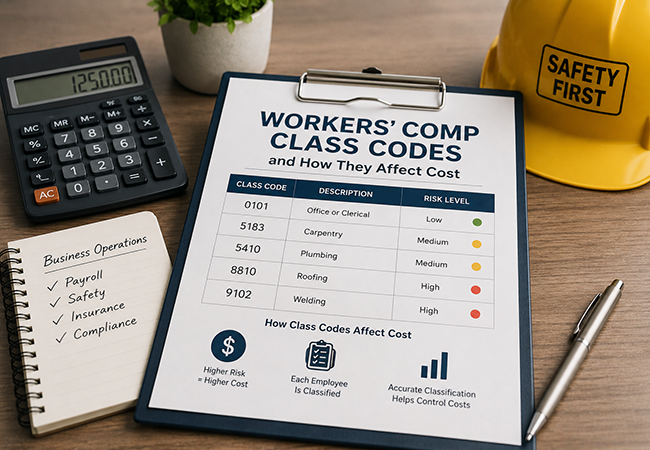
Accurate workers’ compensation insurance depends on correct job classification and wage reporting. The best payroll solutions integrate with workers’ compensation carriers to ensure accurate premium calculations and eliminate audit surprises. This integration is particularly valuable for businesses in industries with higher workplace risks.
Future-Proofing Your Payroll Decision
The payroll services for small business you choose today should support your company’s growth trajectory. Consider these forward-looking factors:
Scalability
Will the system handle 50 employees as efficiently as it handles five? Look for small business solutions that grow with you without requiring platform changes or significant cost increases.
Evolving Features
The best payroll technology providers continuously improve their platforms. Research the provider’s development roadmap and recent feature releases to ensure they’re investing in innovation.
Support Quality
When payroll problems arise—and they will—responsive support is invaluable. Research provider response times, support hours, and access channels before committing. Read reviews specifically mentioning support experiences.
Making Your Final Decision: A Practical Framework
With all this information, here’s a structured approach to selecting your payroll provider:
- List your must-haves: Which features are non-negotiable for your business?
- Set your budget: Determine your comfortable monthly spend, including all fees
- Request demos: See at least three systems in action before deciding
- Check references: Speak with businesses similar to yours who use each provider
- Review contracts carefully: Understand cancellation terms, price guarantees, and service commitments
- Start with a trial: If available, test the system with actual payroll scenarios
Conclusion: Taking the Next Step in Your Payroll Services for Small Business Journey
Choosing the right payroll services for small business success is an investment that pays dividends in time savings, compliance protection, and employee satisfaction. By understanding your needs, evaluating providers systematically, and implementing thoughtfully, you position your business for efficient payroll management that supports rather than hinders your growth.
Remember that the “best” payroll services for small business isn’t a universal answer—it’s the solution that best matches your specific needs, budget, and growth plans. Take time to evaluate your options thoroughly, and don’t hesitate to ask providers detailed questions about their capabilities and limitations.
The right payroll partner becomes an extension of your team, handling the complex administrative work while you focus on what you do best: building your business and serving your customers.
Ready to simplify your payroll and ensure compliance? Contact our team today for a personalized consultation. We’ll help you evaluate your options and find the payroll solutions that align perfectly with your business goals. Don’t let payroll complexity hold your business back—take the first step toward streamlined employee management and peace of mind.
Get Payroll Help Now
Want a clearer recommendation based on your headcount, pay schedule, and compliance needs? Talk to a payroll specialist and get a plan you can implement quickly.