Low employee engagement typically shows up as lower productivity, more preventable errors, higher turnover risk, and more safety incidents. Disengagement is not just a morale issue; it affects performance, retention, and, in many workplaces, injury rates and workers’ compensation outcomes. Engagement research consistently finds many employees feel disconnected from their work, their teams, or their leaders, which creates measurable operational risk for employers.
Understanding the Root Causes of Low Employee Engagement
Low workforce motivation usually develops over time. Common drivers include unclear priorities, inconsistent management, limited growth paths, and daily friction that gradually erodes employee morale.
Poor Communication and Lack of Transparency
When employees don’t understand what’s changing, why it’s changing, or how decisions are made, organizational commitment weakens. Clear, consistent communication reduces uncertainty and helps employees connect their work to goals and outcomes. Disengagement often increases when communication is one-way or when information is shared only after decisions are final.
The impact on staff satisfaction is direct. If employees can’t see how their work supports team goals, customer outcomes, or business priorities, tasks feel like busywork. Over time, this disconnect can lead to lower effort, more absenteeism, and higher turnover.
Inadequate Recognition and Appreciation
Employee recognition is a core engagement driver. When employees do solid work and rarely hear whether it mattered, staff loyalty declines. Recognition works best when it is specific, timely, and tied to behaviors you want repeated.
When recognition is missing, team morale drops across the team. Employees stop taking initiative if extra effort feels invisible. The “why bother?” mindset spreads quickly, especially during high workloads or frequent change.
Limited Growth and Development Opportunities
Staff development signals whether an organization invests in its people. When employees don’t see a path to build skills, take on more responsibility, or move into new roles, job satisfaction declines. Even modest programs—structured training, mentorship, or stretch assignments—can improve engagement and retention.
When growth is unclear, employees often assume they must leave to progress. That belief undermines employee dedication, especially among high performers.
How to Improve Employee Engagement: Proven Strategies That Work
Improving how to improve employee engagement requires consistent management and a work environment built on clarity, respect, and development. The objective is predictable systems that help employees do good work and feel valued for it.
Build a Culture of Open Communication
Build workplace culture with reliable channels for two-way communication. The goal is better feedback loops, clearer priorities, and fewer surprises—not more messages.
- Town hall meetings: Hold monthly all-hands meetings where leadership shares updates and employees can ask questions directly
- Skip-level meetings: Allow employees to meet with leaders outside their direct reporting line to share concerns and ideas
- Anonymous feedback systems: Implement tools that let employees voice concerns without fear of retaliation
- Regular one-on-ones: Ensure managers meet individually with team members weekly to discuss progress, challenges, and goals
These practices strengthen workplace relationships and reduce the “us vs. them” dynamic. When employees feel heard and understand priorities, team engagement tends to increase.
Implement Meaningful Recognition Programs
Effective employee recognition is specific and timely: name the contribution, explain the impact, and recognize it close to when it happened. Generic praise is easy to dismiss; specific recognition builds staff motivation by reinforcing what good performance looks like.
Peer-to-peer recognition can also help because colleagues often see effort and collaboration that managers may miss. Recognition is usually more credible when it comes from people who worked directly on the task.
Match recognition to the person. Some employees prefer public acknowledgment; others prefer private appreciation. Respecting those preferences supports employee involvement and trust.
Invest in Professional Development
Practical staff development supports workforce satisfaction and retention. Development is most effective when it is consistent, role-relevant, and connected to real opportunities.
- Mentorship programs: Pair experienced employees with newer team members to facilitate knowledge transfer and relationship building
- Learning stipends: Provide annual budgets for employees to pursue courses, certifications, or conferences relevant to their roles
- Internal mobility: Create pathways for employees to explore different roles within the organization
- Leadership development: Identify high-potential employees and provide targeted training to prepare them for advancement
Development works best when managers explain what skills matter, how employees can build them, and what progression looks like. This clarity supports employee fulfillment and reduces “I have to leave to grow” thinking.
Creating a Positive Workplace Environment for Higher Team Productivity
The workplace environment shapes performance and employee wellbeing. Engagement efforts often fail in environments that feel unsafe, chaotic, or unfair. Improving environment typically means removing friction and making expectations consistent.
Prioritize Physical Workspace Design
Physical conditions affect focus and fatigue in on-site, remote, and hybrid work. For on-site employees, ergonomics, adequate lighting, quiet areas, and functional collaboration spaces support team building and reduce avoidable strain.
For remote workers, stipends for equipment and reliable technology reduce friction and support performance. These steps improve the employee experience and can reduce avoidable strain or injury risk, which may affect workers’ compensation outcomes.
Foster Psychological Safety
Psychological safety is the belief that employees can raise concerns, ask questions, and share ideas without punishment or humiliation. Teams with psychological safety tend to surface problems earlier, collaborate better, and learn faster.
Build psychological safety by:
- Encouraging healthy debate and diverse perspectives in meetings
- Responding to mistakes as learning opportunities rather than failures
- Modeling vulnerability as a leader by admitting your own uncertainties and mistakes
- Actively soliciting input from quieter team members
When employees feel safe to speak up, staff participation increases, which improves problem-solving and strengthens workplace happiness day to day.
Address Work-Life Balance
Employee wellbeing depends on workload, predictability, and the ability to disconnect. Chronic overtime and unclear boundaries drive burnout, often before employees resign.
Support balance with clear, enforceable policies: flexible scheduling where possible, manageable workloads, usable PTO, and explicit expectations about after-hours communication. Consistency matters more than slogans.
The Connection Between Employee Engagement and Workers’ Compensation
Employee engagement can affect workers’ compensation outcomes through attention to safety, adherence to procedures, and willingness to report hazards. Disengaged employees are more likely to miss hazards, take shortcuts, or ignore safety protocols, especially in physical or fast-paced roles.
Engaged teams often have fewer preventable incidents because employees pay closer attention, communicate more, and report hazards earlier. When employees feel accountable to their team, they are more likely to follow procedures and speak up about risk.
Workplace motivation supports safety habits. Engaged employees are more likely to notice unsafe conditions, flag risks early, and treat safety as part of doing the job well. That employee dedication can translate into fewer claims and less operational disruption.
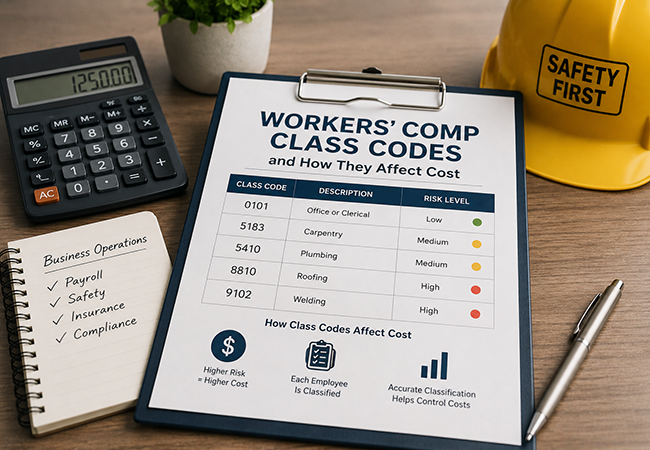
For employers evaluating risk and cost exposure, it can help to benchmark workers’ comp pricing alongside safety and engagement initiatives. If you want a neutral starting point for comparison, you can request a quick workers’ comp rate estimate here to understand typical cost ranges for your payroll and class codes.
Engagement can also affect post-injury outcomes. When employees feel supported and connected, return-to-work planning is often smoother because communication and trust are stronger.
How to Improve Employee Engagement Through Empowerment and Autonomy
Employee empowerment increases engagement by increasing ownership. When employees have appropriate control over how they complete work within clear expectations, motivation and accountability typically rise.
Trust Your Team
Micromanagement reduces engagement by signaling distrust and limiting autonomy. A more effective approach is to define outcomes, constraints, and quality standards, then let employees decide how to execute.
This shifts managers from controlling tasks to coaching performance. Employees gain job satisfaction from owning their work, and managers can focus on planning, removing blockers, and developing people.
Involve Employees in Decision-Making
Staff participation in decisions that affect day-to-day work increases engagement. Employees are more likely to support changes they helped shape, and they often identify operational issues leaders may not see.
Create opportunities for employee involvement through:
- Cross-functional project teams that address organizational challenges
- Regular surveys that inform policy decisions
- Focus groups to gather input before major changes
- Employee-led committees for areas like safety, culture, and wellness
This approach builds staff loyalty by treating employees as informed contributors, not just recipients of decisions.
Measuring and Sustaining Employee Engagement
Engagement improves when you measure it consistently and act on results. One-time initiatives fade; feedback loops and follow-through sustain improvement.
Implement Regular Engagement Surveys
Annual engagement surveys can miss fast-moving issues. Pulse surveys—short, frequent check-ins—provide timely signals about team morale and where managers need support.
Key metrics to track include:
- Overall engagement scores
- Manager effectiveness ratings
- Perception of growth opportunities
- Work-life balance satisfaction
- Likelihood to recommend the company as an employer
Survey data is useful only when employees see action. Share results, prioritize a small number of fixes, assign owners, and communicate progress. Follow-through builds credibility and reinforces staff commitment.
Train Managers as Engagement Champions
Managers influence engagement through workload clarity, feedback, recognition, and day-to-day fairness. If engagement is low across teams, manager development is often the most direct lever.
Equip managers with skills in:
- Effective communication and active listening
- Delivering meaningful feedback and recognition
- Coaching and developing team members
- Building inclusive team environments
- Managing performance with empathy
When managers apply these skills consistently, team engagement can improve without adding complex programs.
Take Action: Your Roadmap to Higher Employee Engagement
Engagement improves through consistent execution, not one-time campaigns. Clear communication, consistent recognition, real development paths, and supportive autonomy can raise employee morale, improve team productivity, and strengthen workplace culture.
The link between engagement and workers’ compensation outcomes is practical for safety-focused organizations. Engagement supports safer behaviors, earlier hazard reporting, and clearer return-to-work coordination.
Start with a baseline using survey feedback, turnover patterns, and safety data. Identify the two or three drivers most likely to improve workforce motivation and employee retention, then test changes with measurable targets.
Building staff loyalty and workplace happiness takes time, but small operational fixes compound when managers apply them consistently.
Ready to make this measurable? Along with engagement actions, many employers also track safety and insurance cost trends over time. If you’re budgeting for workers’ comp while improving workplace practices, you can get a quick rate estimate here to support comparisons and planning.