Pay stub vs paycheck is one of the most common payroll questions employees and small business owners ask. The two terms are often used interchangeably, but they describe different things. A paycheck is the actual payment for work performed. A pay stub is the detailed record that explains how that payment was calculated. Both matter for budgeting, taxes, lending, and compliance.
Payroll documentation is also a legal issue. Most U.S. states have pay stub laws that require employers to provide detailed wage statements, with penalties reaching up to $750 per worker in California and $500 per instance in Maryland. According to the U.S. Department of Labor, Wage and Hour Division investigations recover hundreds of millions of dollars in back wages each year, and missing or inaccurate pay records often play a role. Knowing the difference between a paycheck and a pay stub helps employees protect their income and helps employers stay compliant.
Below is a clear breakdown of how paychecks and pay stubs differ, what each one includes, and how to use them correctly.
What Is a Paycheck?
A paycheck is the actual payment an employee receives for work performed during a pay period. It represents the net wages, the amount left after all taxes, deductions, and contributions are subtracted from gross pay.
How a Paycheck Works
A paycheck can be issued as a physical check or a direct deposit. Most U.S. employers now use direct deposit, but paper checks are still common in some industries.
What a Paycheck Typically Includes
- Net pay amount
- Employer name
- Employee name
- Pay date
- Bank account information (for direct deposit)
- Check number (for paper checks)
The paycheck itself does not show how the amount was calculated. That detail belongs on the pay stub.
What Is a Pay Stub?
A pay stub is a wage statement that explains how the paycheck amount was calculated. It shows gross wages, taxes, deductions, and net pay in detail. Pay stubs serve as the official record of what was earned and what was withheld.
How a Pay Stub Works
The pay stub accompanies the paycheck or is delivered electronically through an employee self-service portal. Employees use it to track earnings, confirm withholdings, and verify benefits contributions.
What a Pay Stub Typically Includes
- Gross wages for the pay period
- Hours worked and pay rate
- Overtime, bonuses, and commissions
- Federal income tax withheld
- Social Security and Medicare withholdings
- State and local tax withholdings
- Retirement plan contributions
- Health insurance premiums
- Other benefit deductions
- Year-to-date totals
- Employer information
- Net pay
Pay Stub vs Paycheck: The Core Difference
The simplest way to understand the difference is to think of the paycheck as the payment and the pay stub as the explanation.
Key Structural Differences
- Purpose: Paycheck – delivers payment. Pay stub – documents how the payment was calculated.
- Format: Paycheck – check or direct deposit. Pay stub – paper or electronic document.
- Information shown: Paycheck – net amount only. Pay stub – full earnings and deduction breakdown.
- Used for: Paycheck – payment. Pay stub – proof of income, tax records, and compliance.
- Legal status: Paycheck – the payment itself. Pay stub – the wage record required in most states.
Pay Stub vs Paycheck: Side-by-Side Comparison
Both documents play a role in payroll, but they serve different functions.
Quick Comparison
- What it shows: Paycheck – net wages. Pay stub – gross to net detail.
- Who creates it: Paycheck – employer’s payroll system or bank. Pay stub – payroll system or payroll provider.
- When it’s used: Paycheck – on payday. Pay stub – any time the employee needs wage proof.
- Tax usage: Paycheck – none. Pay stub – supports year-end tax filings.
- Lending and proof of income: Paycheck – limited. Pay stub – frequently required.
Why Pay Stubs Matter for Employees
Even though the paycheck is the actual payment, the pay stub is often the more important document in day-to-day life.
Common Uses for a Pay Stub
- Proof of income for loans, mortgages, and rentals
- Verification of tax withholdings
- Tracking overtime, bonuses, and commissions
- Confirming retirement and benefits contributions
- Catching payroll errors
- Preparing for tax season
- Supporting Social Security earnings records
- Documenting wage history during job changes
Why Pay Stubs Matter for Employers
Pay stubs are also a compliance tool. They protect the business from wage disputes and create a clear paper trail.
Why Employers Should Prioritize Accurate Pay Stubs
- Most states require detailed wage statements
- They support compliance with the Fair Labor Standards Act (FLSA)
- They help resolve overtime and classification disputes
- They serve as evidence during DOL or state audits
- They reduce employee questions and HR workload
- They support workers comp and unemployment claims
Pay Stub Requirements by State
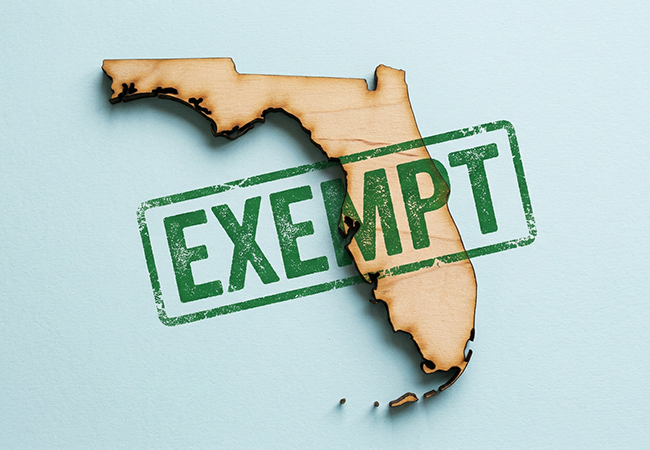
Federal law does not require pay stubs under the FLSA, but most U.S. states do. As of 2026, approximately 42 states plus the District of Columbia have some form of pay stub requirement. The remaining 8 states (Alabama, Arkansas, Florida, Georgia, Louisiana, Mississippi, South Dakota, and Tennessee) have no specific state mandate. Requirements vary widely.
The Five Categories of State Pay Stub Laws
- Access states: Require employers to provide pay stubs that employees can view, in print or electronic format. Approximately 36 states plus DC fall into this category.
- Access/Print states: Require that employees can both access and print their pay stubs. Includes California, New York, Texas, Colorado, Massachusetts, Nevada, Washington, North Carolina, Maine, and Vermont.
- Opt-Out states: Provide pay stubs electronically by default but allow employees to request paper copies. Includes Delaware, Minnesota, and Oregon.
- Opt-In states: Hawaii is the only opt-in state. Employers must obtain written employee consent before delivering pay stubs electronically; paper is the default.
- No requirement states: Eight states have no specific pay stub law: Alabama, Arkansas, Florida, Georgia, Louisiana, Mississippi, South Dakota, and Tennessee.
Multi-state employers must follow the rules of each state where their employees work, not where the business is based. Penalties for noncompliance can be significant: California assesses up to $750 per worker plus court costs, while Maryland imposes penalties of up to $500 per instance.
Recent State-Level Changes
- Illinois (2025): Added new pay stub requirements that took effect January 1, 2025.
- Oregon Senate Bill 906 (January 2026): Now requires employers to provide a written at-hire disclosure explaining how earnings and deductions work for all new employees.
- Maryland (late 2024): Updated pay stub law with stricter penalties.
State pay stub laws change frequently. Employers should verify current requirements with each state’s Department of Labor.
How to Read a Pay Stub
Pay stubs can look complex, but most include a consistent set of sections.
The Main Pay Stub Sections
- Employee information: Name, address, ID number, and sometimes last four digits of SSN (required in California and New Mexico)
- Employer information: Business name, address, and in some states (like Maryland) phone number
- Pay period: Start and end dates
- Earnings: Hours, pay rate, overtime, bonuses
- Gross pay: Total earnings before deductions
- Taxes: Federal, state, local, Social Security, and Medicare
- Pre-tax deductions: Retirement, health insurance, FSA
- Post-tax deductions: Garnishments, Roth contributions
- Net pay: Final take-home amount
- Year-to-date totals: Running totals of earnings and taxes
Understanding each section helps employees catch errors and plan ahead. California requires every deduction to be itemized individually, while other states allow some grouping.
Electronic vs Paper Paychecks and Pay Stubs
Most U.S. employers have shifted to electronic payments and digital pay stubs, but the rules vary.
Electronic Paychecks
- Delivered through direct deposit
- Faster and more secure than paper checks
- Lower processing costs for employers (paper checks cost $2 to $4 each to issue)
- Easier to track and document
Electronic Pay Stubs
- Accessed through employee self-service portals
- Reduce paper and printing costs
- Allow easy access to historical wage records
- Require employee opt-in in Hawaii; employees can opt out in Delaware, Minnesota, and Oregon
Employers should confirm their state’s rules before going fully digital.
Common Mistakes With Pay Stubs and Paychecks
Most payroll documentation problems are avoidable with strong systems.
- Issuing paychecks without pay stubs in states that require them
- Showing incorrect hourly rates or overtime totals
- Missing year-to-date earnings
- Not separating pre-tax and post-tax deductions
- Failing to include required state-mandated details
- Allowing inconsistent formatting across pay periods
- Not providing access to historical pay stubs
- Failing to update pay stubs after raises or classification changes
- Going paperless in opt-in or opt-out states without proper consent or paper-request procedures
How Pay Stubs Support Tax Filing
Pay stubs are essential during tax season, even though the W-2 is the official year-end form.
Why Pay Stubs Matter at Tax Time
- They confirm year-to-date withholding totals
- They support estimated tax planning
- They help identify W-2 errors
- They document deductions like retirement and HSA contributions
- They support self-employment and side-income tracking
- They serve as backup during IRS questions or audits
If you want to understand how accurate pay stubs, payroll compliance, and workers compensation interact across your workforce, this baseline tool can serve as a starting reference: https://peopaygo.com/get-rate-exchange-blogs/u/step-1.
How Pay Stubs Support Lending and Renting
Pay stubs are one of the most requested income verification documents.
Why Lenders and Landlords Ask for Pay Stubs
- They confirm consistent income
- They show employer details
- They document pay frequency and amounts
- They reflect deductions that affect take-home pay
- They are harder to fake than a single pay summary
Most mortgage lenders require two to three months of recent pay stubs.
Best Practices for Employees
Employees should keep clear records of both paychecks and pay stubs.
- Review every pay stub for errors
- Save digital or paper copies for at least one year
- Compare year-to-date totals with W-2 forms
- Track retirement and benefit contributions
- Confirm overtime and bonuses match expectations
- Report errors to HR quickly
- Update tax withholdings after major life events
Best Practices for Employers
Strong pay stub and paycheck practices protect the business and support employees.
- Use a reliable payroll system that generates accurate pay stubs
- Follow each state’s wage statement requirements where employees work
- Provide both digital and printable pay stub options
- Train HR and payroll staff on pay stub rules
- Audit pay stubs quarterly
- Maintain pay records for at least three years under FLSA, longer in states with stricter requirements (some states require six years)
- Update pay stub templates after legal changes
- Use an employee self-service portal for easy access
How Pay Stubs and Paychecks Connect to Broader Compliance
Pay stubs and paychecks are more than payroll outputs. They support a wide range of compliance, financial, and HR functions.
- Accurate documentation supports audits and lender reviews
- Clear pay stubs reduce wage disputes
- Strong payroll records protect against penalties
- Detailed deductions support benefits compliance
- Reliable digital access improves employee experience
- Coordinated payroll and HR systems support long-term workforce strategy
Turning Pay Stub and Paycheck Accuracy Into a Strategic Advantage
Accurate pay stubs and paychecks support trust, compliance, and operational stability.
- Employees gain confidence in their pay and benefits
- Employers reduce HR workload and compliance risk
- Lenders and landlords get clear income verification
- Tax season becomes smoother for everyone
- Pay disputes are easier to resolve
- Strong documentation supports growth and audits
If you want to see how integrated payroll, workers compensation, and HR compliance can streamline pay stub generation and multi-state recordkeeping, this baseline tool can serve as a starting reference: https://peopaygo.com/get-rate-exchange-blogs/u/step-1.
Ready to strengthen your payroll documentation? Review your pay stub format, confirm state requirements, and align your payroll system with the compliance, lending, and tax needs of your team.
This article is for informational purposes only and does not constitute legal or HR advice. Pay stub laws vary significantly by state and change frequently. Employers should consult a qualified employment attorney, CPA, or payroll specialist for guidance specific to their workforce and operating states.