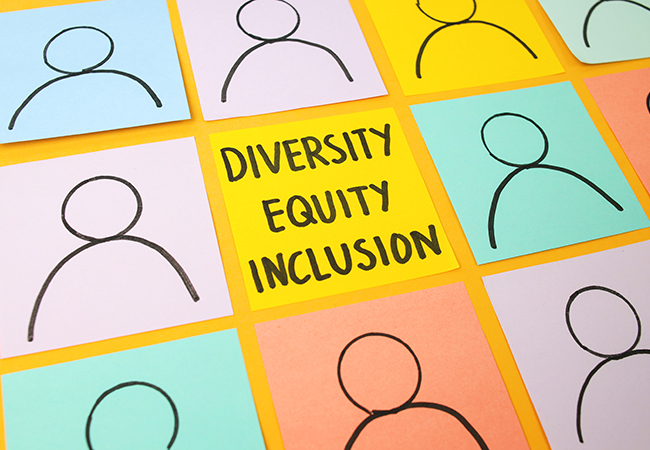
A DEI program is a structured workplace initiative focused on Diversity, Equity, and Inclusion. It aims to build a workforce where people from different backgrounds have fair access to opportunities, are treated with respect, and can contribute fully. For employers, a strong DEI program supports recruitment, retention, innovation, and compliance with anti-discrimination laws.
DEI has been part of U.S. workforce strategy for decades, but the legal landscape has shifted significantly since the U.S. Supreme Court’s 2023 decision in Students for Fair Admissions v. Harvard and a series of executive orders issued in 2025 and 2026 targeting “illegal DEI” practices by federal contractors. While DEI programs remain lawful for private employers, the way they are structured, documented, and implemented has come under heightened scrutiny. According to industry research, many mid-size and large employers have restructured their DEI initiatives over the past two years to align with current legal standards.
Below is a clear breakdown of what a DEI program means, how it works, the current legal landscape, and how employers can build one that supports both people and business goals while reducing legal risk.
What Does DEI Program Mean?
A DEI program is a workplace initiative that promotes Diversity, Equity, and Inclusion across hiring, development, leadership, and culture. It is a structured set of policies, practices, and training designed to build a fair and inclusive workplace while complying with federal anti-discrimination laws.
The Three Core Elements of DEI
- Diversity: The presence of differences within a workforce, including race, gender, age, ethnicity, disability, sexual orientation, background, and experience.
- Equity: Fair access to opportunities, advancement, and resources. Modern interpretations emphasize removing artificial barriers rather than creating preferences based on protected characteristics.
- Inclusion: A workplace culture where every employee feels respected, heard, and able to contribute.
What a DEI Program Typically Includes
- Diversity recruitment strategies that broaden the candidate pool without preferences based on protected characteristics
- Inclusive hiring practices using standardized criteria
- Bias awareness training
- Cultural competency training
- Equity audits focused on barriers and process fairness
- Inclusive leadership development
- Employee resource groups (membership generally open to all employees)
- Workplace discrimination prevention policies
- Inclusion measurement tools
- Diversity awareness training and education programs
The Current Legal Landscape for DEI Programs (2026)
Workplace DEI remains lawful, but the legal environment has changed significantly. Employers should understand the current framework before designing or restructuring DEI programs.
Key Legal Developments Since 2023
- Students for Fair Admissions v. Harvard (June 2023): The U.S. Supreme Court ruled that race-conscious admissions in higher education violated the Equal Protection Clause. While the decision directly addressed universities, it influenced how courts and regulators view race-conscious workplace programs.
- Muldrow v. City of St. Louis (2024): The Supreme Court lowered the threshold for what constitutes adverse employment action under Title VII, making it easier for plaintiffs to bring discrimination claims, including reverse discrimination claims tied to DEI programs.
- Ames v. Ohio Department of Youth Services (June 2025): The Supreme Court eliminated heightened pleading standards for majority-group plaintiffs in Title VII cases, making it easier to bring reverse discrimination claims.
- Executive Order 14151 (January 2025): Directed federal agencies to terminate DEI offices, positions, and equity-related grants.
- Executive Order 14173 (January 2025): Eliminated affirmative action requirements for federal contractors and required certification of compliance with federal anti-discrimination laws.
- Executive Order 14398 (March 2026): “Addressing DEI Discrimination by Federal Contractors” imposes a mandatory contract clause prohibiting “racially discriminatory DEI activities” by federal contractors and subcontractors, with potential False Claims Act liability.
- Fourth Circuit decision (February 2026): Vacated the preliminary injunction against EO 14151 and EO 14173, allowing the executive orders to proceed while litigation continues.
What This Means for Private Employers
- DEI programs remain lawful when structured to comply with federal anti-discrimination laws (Title VII, ADA, ADEA, Equal Pay Act).
- Programs that pressure managers to make employment decisions based on race or sex create significant legal risk, even without formal quotas.
- Federal contractors and grant recipients face heightened scrutiny and potential False Claims Act exposure.
- The EEOC has signaled it will prioritize enforcement against DEI programs that involve unlawful discrimination, whether called “DEI” or by another name.
- Employers should focus DEI efforts on broadening opportunity, reducing artificial barriers, and ensuring fair process — not on outcomes tied to protected characteristics.
How a DEI Program Works
A DEI program is more than a single training session. It is an ongoing strategy embedded throughout the employee lifecycle.
The Standard DEI Program Workflow
- Assessment: Review the workforce, culture, and policies to identify barriers to opportunity and inclusion.
- Goal setting: Define clear diversity, equity, and inclusion goals tied to broadening opportunity rather than guaranteeing outcomes.
- Policy development: Build inclusive workplace practices and anti-discrimination standards aligned with current law.
- Training: Roll out diversity and bias awareness training for all employees and leaders.
- Implementation: Embed DEI principles into hiring, performance, promotion, and culture using consistent, lawful criteria.
- Measurement: Track diversity, equity, and inclusion metrics over time.
- Continuous improvement: Adjust the program based on data, feedback, and legal developments.
Why DEI Programs Matter for Employers
DEI is a workforce strategy. Done well, and within current legal boundaries, it improves both organizational performance and individual employee experience.
Top Business Benefits
- Stronger recruiting and access to broader talent pools
- Higher employee engagement and retention
- Improved decision-making through diverse perspectives
- Better innovation and creative problem-solving
- Stronger workplace belonging and morale
- Lower legal and compliance risk when properly structured
- Improved company reputation with customers and partners
- Stronger leadership pipeline through inclusive development
Top Workforce Benefits
- Fair access to opportunities and advancement
- Reduced bias in hiring and promotion processes
- Stronger psychological safety
- Clearer career development pathways
- Healthier workplace culture
The Difference Between Diversity, Equity, and Inclusion
Each part of DEI plays a different role in workforce strategy.
Diversity
Diversity is about who is in the workforce. It includes visible and invisible differences such as race, gender, age, disability, religion, background, and life experience.
Equity
Equity focuses on fairness of process and access. It aims to remove artificial barriers that prevent some employees from accessing the same opportunities as others. Equity is not the same as equality. Equality treats everyone the same. Equity acknowledges that some employees may face structural barriers that others do not. Importantly, under current law, equity efforts should focus on removing barriers and ensuring fair process, not on guaranteeing outcomes tied to protected characteristics.
Inclusion
Inclusion is about culture. It ensures that diverse employees feel respected, valued, and able to contribute. Inclusion turns a diverse workforce into an effective one.
Common Elements of a Strong, Legally Compliant DEI Program
A strong DEI program is structured, measurable, and embedded throughout the organization, while staying within legal boundaries.
Diversity Recruitment Strategies
- Inclusive job descriptions that focus on essential functions
- Broader candidate sourcing across diverse networks
- Structured, bias-aware interviews with consistent questions
- Partnerships with diverse talent networks
- Standardized hiring criteria applied to all candidates
Inclusive Hiring Practices
- Skills-based assessments
- Diverse interview panels
- Consistent evaluation rubrics
- Transparent compensation practices
- Equitable onboarding
Bias Awareness Training
- Unconscious bias education focused on decision-making processes
- Microaggression awareness
- Inclusive communication training
- Cultural competency programs
Inclusive Leadership Development
- Leadership coaching open to all qualified employees
- Mentorship programs with broad eligibility
- Sponsorship and development opportunities based on performance and potential
- Equitable promotion criteria applied consistently
- Inclusive performance management
Equity Measurement and Reporting
- Pay equity audits
- Promotion rate analysis
- Hiring data tracking
- Retention analysis
- Engagement and inclusion surveys
How to Build a DEI Program: A Practical Framework
Building a DEI program requires structure, not slogans. The strongest programs treat DEI like any other strategic initiative.
Step 1: Assess the Current State
- Review workforce demographics
- Audit recruitment and promotion processes for fairness and consistency
- Analyze pay equity
- Survey employees on culture and inclusion
- Identify artificial barriers to opportunity
Step 2: Set Clear Goals
- Define what success looks like in three to five years
- Set measurable goals focused on opportunity, process fairness, and culture
- Align DEI goals with broader business priorities
- Ensure goals do not pressure decision-makers to consider protected characteristics
Step 3: Build the Program Structure
- Form a diversity committee with clear scope
- Assign clear ownership at the leadership level
- Develop policies and training plans
- Create reporting systems
- Engage legal counsel to review program structure
Step 4: Train and Implement
- Roll out training company-wide
- Update hiring, promotion, and review systems with consistent criteria
- Communicate the program clearly to employees
Step 5: Measure and Adjust
- Track recruitment, promotion, retention, and engagement data
- Review progress quarterly or annually
- Adjust strategies based on outcomes and legal developments
- Communicate progress transparently
DEI Programs and Legal Compliance
DEI programs intersect with several federal and state employment laws. Strong programs are designed with these laws in mind from the start.
Key Federal Legal Areas
- Title VII of the Civil Rights Act (race, color, religion, sex, national origin)
- Americans with Disabilities Act (ADA)
- Age Discrimination in Employment Act (ADEA)
- Equal Pay Act
- Family and Medical Leave Act (FMLA)
- State and local anti-discrimination laws (which often provide additional protections)
- Executive Orders 14151, 14173, and 14398 (applicable to federal contractors and grant recipients)
What the EEOC Has Identified as Higher-Risk DEI Practices
- Disparate treatment in interviewing, hiring, firing, promotion, demotion, or compensation based on protected characteristics
- Pressuring managers to make employment decisions based on race or sex, even without formal policies
- Limiting membership in workplace groups (such as affinity groups) based on protected traits
- Separating employees into groups based on protected traits during DEI training
- Harassment occurring during DEI training
- Retaliation against employees who object to DEI practices they believe are discriminatory
A well-designed DEI program supports compliance with these laws while building a healthier workplace.
If you want to evaluate how DEI program design, payroll equity, and HR compliance interact across your workforce, this baseline tool can serve as a starting reference: https://peopaygo.com/get-rate-exchange-blogs/u/step-1.
Common DEI Program Metrics
Strong programs measure outcomes, not just activities.
Common DEI Metrics
- Workforce demographic representation
- Hiring rates and pipeline diversity
- Promotion and advancement rates
- Pay equity analysis
- Turnover and retention by group
- Employee engagement and inclusion scores
- Training completion rates
- Leadership diversity
- Grievance and complaint trends
Strong metrics support transparency and continuous improvement. Importantly, tracking metrics is different from using them to make individual employment decisions — the former is generally lawful, while the latter creates significant legal risk.
Common Mistakes Employers Make With DEI Programs
Most DEI programs underperform because of structural mistakes, not bad intent. Some mistakes also create legal exposure.
- Treating DEI as a single training, not a long-term strategy
- Failing to assign clear leadership ownership
- Setting numerical goals tied to protected characteristics without legal review
- Pressuring managers to make decisions based on race or sex
- Focusing only on diversity, ignoring equity and inclusion
- Skipping pay equity audits
- Limiting employee resource groups based on protected characteristics
- Not aligning DEI with hiring, promotion, and performance systems
- Failing to engage legal counsel in program design
- Communicating goals without sharing progress
- Treating DEI as a PR project
- Ignoring backlash or skepticism without engaging it constructively
Best Practices for Effective DEI Programs in 2026
The strongest DEI programs are practical, measurable, embedded in everyday operations, and aligned with current law.
- Tie DEI to clear business goals
- Assign leadership accountability with legal review
- Use data to identify barriers, not to drive individual employment decisions
- Embed inclusive practices into hiring, performance, and promotion using consistent criteria
- Train all employees and managers consistently
- Conduct regular pay equity audits (often under attorney-client privilege)
- Make employee resource groups open to all employees
- Communicate transparently about progress
- Update training and policies regularly to reflect legal developments
- Listen to employee feedback continuously
- Audit existing DEI practices for legal compliance, particularly for federal contractors
DEI Programs in Small Businesses
Small businesses don’t need a large HR team to run a DEI program. They just need structure, consistency, and awareness of current legal boundaries.
What Small Business DEI Programs Should Focus On
- Inclusive job descriptions and consistent hiring practices
- Fair pay structures
- Bias awareness for managers
- Clear anti-discrimination policies
- Open communication channels
- Equitable promotion criteria applied uniformly
- Workplace flexibility
- Inclusive onboarding
Small business DEI programs often have a bigger cultural impact because they shape the workplace from the start.
How DEI Programs Connect to Broader HR Strategy
DEI is most effective when integrated with the rest of HR.
Connected HR Areas
- Recruitment and onboarding
- Performance management
- Compensation planning
- Leadership development
- Training and development programs
- Employee engagement
- Workplace safety and wellness
- Workforce planning
DEI is not a separate program. It is a way of running HR more effectively while complying with anti-discrimination law.
Turning DEI Programs Into a Strategic Advantage
A strong, legally compliant DEI program supports culture, performance, and long-term workforce stability.
- Stronger recruitment and broader talent access
- Higher engagement, retention, and morale
- Better decision-making through diverse perspectives
- Lower compliance and legal risk when structured correctly
- Stronger leadership pipeline
- Improved workplace belonging and trust
- Better company reputation in the market
- Sustainable, data-informed workforce development
If you want to see how integrated payroll, HR compliance, and equitable benefits administration can support a legally sound DEI program, this baseline tool can serve as a starting reference: https://peopaygo.com/get-rate-exchange-blogs/u/step-1.
Ready to strengthen your DEI program? Audit your workforce data, review your program structure for legal compliance, train leaders consistently, and align DEI with your broader HR and workforce strategy to support long-term growth and a healthier workplace.
This article is for informational purposes only and does not constitute legal, HR, or employment advice. The legal landscape for DEI programs has changed significantly since 2023 and continues to evolve through executive orders, court decisions, and EEOC enforcement actions. Employers should consult a qualified employment attorney to review the design, documentation, and implementation of any DEI program for compliance with current federal and state law.