

Seven Construction Related Work Injuries
Work injuries are among the leading causes of disability in construction-related occupations, which is why it’s essential for employers to

¿El Seguro De Worker’s Comp Está Sujeto A Impuestos?
El seguro de compensación para trabajadores, también conocido como Workers’ Comp en inglés, es probable que se requiera para los empleadores con
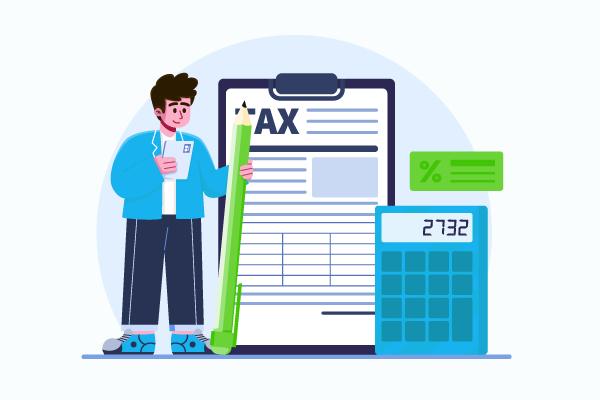
Is Workers’ Compensation Is Taxable?
Workers’ Compensation Insurance as well known as Workers’ Comp, is likely to be required for employers with employees. In most

¿Qué Salarios Están Cubiertos Por Workers’ Comp?
Why should you pay more when you don’t have to? Overpaying for anything is never a smart thing to do.

What Wages Are Covered By Workers’ Comp?
Why should you pay more when you don’t have to? Overpaying for anything is never a smart thing. Knowing which

The Difference Between a Sole Proprietor & an Independent Contractor
Small business owners must classify the employees they hire correctly; otherwise, it can lead to various tax and labor laws

How To: Calculate Workers’ Comp Cost Per Employee
As a result of its prevalence in American history, it’s not surprising that most states require employers to carry self

Does Workers’ Comp Cover Business Owners?
Business owners have many responsibilities, including ensuring the safety of their employees. In most states, employers are required to purchase

What Is A Certificate Of Insurance?
Similar to an insurance card, a certificate of insurance is a document that shows insurance coverage. Basically, it’s a

What Happens If You Don’t Have Workers’ Comp
Employees rarely need to think about workers’ compensation later on because most large employers go over them during the hiring

Does Self-Employed Require Workers’ Comp?
As a result of its prevalence in American history, it’s not surprising that most states require employers to carry self